Flower Mound Retaining Walls Near Grapevine Lake's Mixed Soil
Erosion control and terracing designed for the clay-and-sandy-loam mix found close to Grapevine Lake.
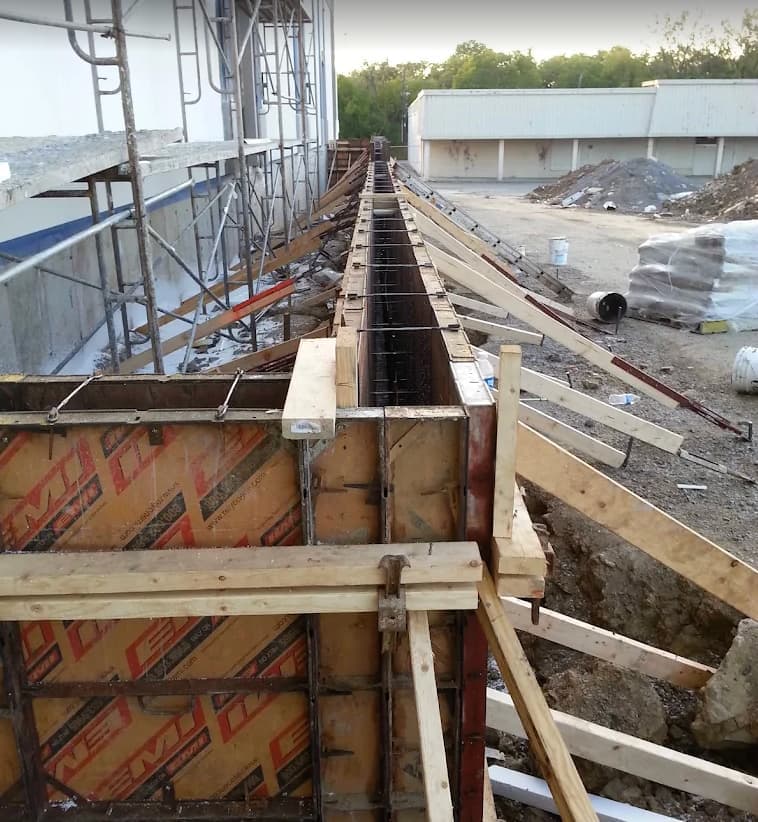
Flower Mound's proximity to Grapevine Lake means a lot of properties sit on a mix of clay and sandy loam, which behaves differently than the straight clay found further east. Neighborhoods like Bridlewood and Wellington often have sloped lots where that mixed soil erodes more easily than pure clay, especially near drainage swales.
Forest Vista and Waketon Estates include some of Flower Mound's more heavily wooded lots, where tree roots and natural terrain both factor into how we plan a retaining wall. Canyon Falls, being a newer development, brings compacted fill soil into the mix as well, so we treat each of these areas a little differently.
Whether the goal is stopping erosion on a lake-adjacent slope or terracing a wooded backyard, we start by figuring out exactly what soil type we're working with before designing the wall.
Why Choose Dallas Concrete Pros for Retaining Walls in Flower Mound?
Flower Mound's mixed soil profile means what works on one street doesn't automatically work a mile away, and we've built walls across enough of the city's varied terrain, from lake-adjacent sandy loam to wooded clay lots, to know the difference matters. We design drainage and footings around the actual soil on your property. Call 214-466-2536 for an on-site evaluation.
- Soil-specific design for Flower Mound's clay and sandy loam mix
- Controls erosion on slopes near Grapevine Lake
- Protects mature trees in wooded neighborhoods like Forest Vista
- Handles compacted fill soil in newer Canyon Falls developments
- Reduces runoff damage to landscaping and hardscape
- Built to withstand lake-effect moisture and drainage patterns
Our Retaining Walls Process in Flower Mound
Soil composition check
We determine whether your lot has clay, sandy loam, or a mix, since erosion behavior and footing needs differ between them.
Erosion and drainage mapping
We trace how water currently moves across the property, especially important on sloped lots near Grapevine Lake.
Wall design
We plan wall height and placement to stop erosion at its source rather than just patching the visible damage.
Excavation
Excavation technique adjusts based on whether we're digging through sandier soil or denser clay.
Drainage and backfill
Gravel backfill and drain lines are sized to handle the specific erosion risk of mixed soil types.
Restoration
We regrade and replant disturbed areas so the finished wall blends into wooded or lakeside landscaping.
Retaining Walls Across Flower Mound Neighborhoods
Bridlewood and Wellington homeowners often deal with erosion along sloped lots that drain toward nearby creeks, while Forest Vista and Waketon Estates properties need wall designs that work around established tree cover. Canyon Falls, being newer, sometimes needs walls that address settling fill soil rather than natural erosion.
Retaining Walls Cost in Flower Mound, TX
Flower Mound retaining walls generally run $20 to $45 per linear foot, with erosion-focused projects near the lake sometimes requiring additional drainage work that affects the total cost. Wooded lots with root obstacles can also add to labor time compared to open, unobstructed sites.
Get an accurate quote for your project
Every property is different. Contact us for a free on-site estimate tailored to your Flower Mound property.
Request Free EstimateRetaining Walls in Flower Mound — Frequently Asked Questions
Does living near Grapevine Lake affect retaining wall design?
Yes, lake-adjacent lots often have sandier soil and more active erosion patterns, which changes how we plan drainage and wall placement compared to inland clay lots.
Can you build a retaining wall around established trees in Forest Vista?
Yes, we design wall paths and footing placement to avoid major root systems, sometimes using curved layouts to work around large trees.
Is Canyon Falls' newer soil different from older Flower Mound neighborhoods?
Yes, Canyon Falls sits on more recently graded fill soil that's still settling, so we account for that in footing depth and excavation approach.
What causes erosion on Flower Mound's sloped lots?
A mix of sandy loam soil and natural elevation change near the lake means water moves faster and carries more soil with it than it would through denser clay, which is why a properly placed retaining wall matters.
Retaining Walls in Other Cities
Ready for Retaining Walls in Flower Mound?
Get a free, no-obligation estimate for your Flower Mound property today.