Fort Worth Retaining Walls From Westside Limestone to Eastside Clay
Structural wall design built for Fort Worth's transition zone between rocky western terrain and clay-heavy eastern soil.
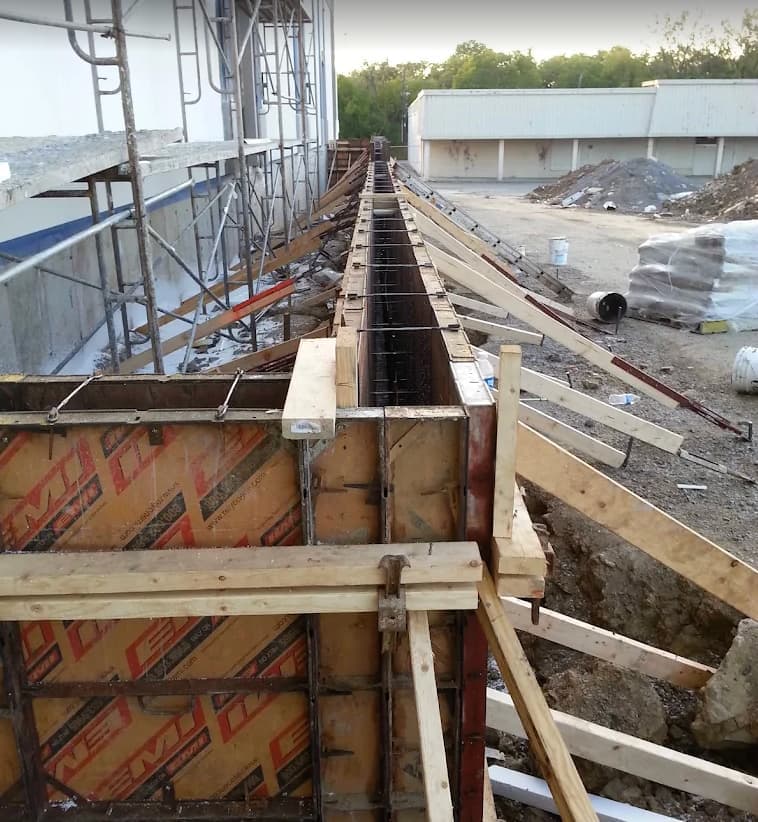
Fort Worth spans a real geological transition zone, with limestone-heavy terrain out toward Westover Hills and Ridglea and denser clay soil as you move east toward Fairmount and the River District. That means we rarely approach two Fort Worth retaining wall projects the same way.
Tanglewood and Arlington Heights sit in established, mature neighborhoods where large trees and decades-old grading come into play alongside whatever soil type the specific street sits on. The River District, given its position near the Trinity River, adds another layer of soil and drainage consideration similar to what we see in river-adjacent parts of Irving.
Because Fort Worth genuinely changes character from one side of town to the other, we always start with a site-specific soil assessment rather than assuming what we'll find underground.
Why Choose Dallas Concrete Pros for Retaining Walls in Fort Worth?
Few cities in the metroplex have as much soil variation as Fort Worth, and getting a retaining wall right here means understanding whether you're building on Westover Hills limestone, Fairmount clay, or River District alluvial soil. We adjust excavation equipment, footing depth, and drainage design to match whichever of those conditions your property presents. Call 214-466-2536 for a site evaluation.
- Soil-specific engineering across Fort Worth's varied terrain
- Rock excavation capability for western neighborhoods like Westover Hills
- Clay-focused drainage design for eastside areas like Fairmount
- Root-conscious placement in mature Tanglewood and Arlington Heights lots
- River-adjacent drainage expertise for River District properties
- Built to match the architectural character of established neighborhoods
Our Retaining Walls Process in Fort Worth
Soil and terrain identification
We determine whether your property sits on limestone, clay, or river-influenced soil, since Fort Worth includes all three within city limits.
Design matched to local conditions
Footing depth, reinforcement, and excavation approach are all adjusted based on the specific soil type identified on-site.
Excavation
We bring rock-cutting equipment for western Fort Worth limestone sites or standard excavation tools for eastside clay lots, whichever the job requires.
Footing and base installation
A properly compacted base and sized footing anchor the wall regardless of which soil type we're building on.
Drainage system
Drain lines and gravel backfill are calibrated to the water behavior of the specific soil type present on your lot.
Finish grading
We regrade and restore landscaping so the completed wall matches the character of established Fort Worth neighborhoods.
Retaining Walls Across Fort Worth Neighborhoods
Westover Hills and Ridglea sit on rockier limestone terrain that requires specialized excavation, while Tanglewood and Arlington Heights combine mature landscaping with more traditional clay-soil wall design. Fairmount's older lots often need grade correction from decades of settling, and the River District's proximity to the Trinity River adds unique drainage considerations to any wall project there.
Retaining Walls Cost in Fort Worth, TX
Fort Worth retaining walls typically range from $20 to $45 per linear foot, with rock excavation on the west side often pushing costs higher and standard clay-soil sites on the east side landing closer to the middle of that range. River District properties may see additional drainage-related costs depending on proximity to the river.
Get an accurate quote for your project
Every property is different. Contact us for a free on-site estimate tailored to your Fort Worth property.
Request Free EstimateRetaining Walls in Fort Worth — Frequently Asked Questions
Why does Fort Worth have such different retaining wall needs across the city?
Fort Worth sits on a geological transition zone, with limestone terrain to the west and clay-heavy soil to the east, so wall design genuinely needs to match the specific neighborhood.
Do Westover Hills and Ridglea properties need rock excavation?
Often yes, since those areas sit closer to Fort Worth's limestone shelf, which requires different excavation equipment than a standard clay dig.
Can you build a retaining wall around mature trees in Tanglewood?
Yes, we plan wall placement and footing location to work around established root systems common in Tanglewood's older, more mature lots.
How does the Trinity River affect retaining walls in the River District?
Properties near the river can have softer, more water-influenced soil, which sometimes calls for deeper footings and more robust drainage than a typical clay-soil site.
Retaining Walls in Other Cities
Ready for Retaining Walls in Fort Worth?
Get a free, no-obligation estimate for your Fort Worth property today.